Florida Benchmarks Review Populations and Communities Answer Key
Populations of Concern
Key Finding 1: Vulnerability Varies Over Time and Is Identify-Specific
Key Finding one: Beyond the United States, people and communities differ in their exposures, their inherent
Key Finding 2: Health Impacts Vary with Historic period and Life Stage
People feel different inherent sensitivities to the impacts of
Key Finding 3: Social Determinants of Health Interact with Climate Factors to Bear on Health Risks
Key Finding four: Mapping Tools and Vulnerability Indices Identify Climate Health Risks
The use of geographic data and tools allows for more sophisticated mapping of
9.1 Introduction
- Janet L. Take a chance
U.South. Environmental Protection Agency - John Balbus
National Institutes of Wellness
- Martha Berger
U.S. Environmental Protection Agency - Karen Bouye
Centers for Disease Control and Prevention - Vince Campbell
Centers for Disease Control and Prevention - Karletta Chief
The Academy of Arizona - Kathryn Conlon
Centers for Disease Control and Prevention - Allison R. Crimmins
U.S. Environmental Protection Bureau - Barry Flanagan
Centers for Disease Command and Prevention - Cristina Marie Gonzalez-Maddux
Institute for Tribal Ecology Professionals - Elaine Hallisey
Centers for Disease Control and Prevention - Sonja Hutchins
Centers for Disease Control and Prevention - Lesley Jantarasami
U.Due south. Ecology Protection Agency - Samar Khoury
Association of Schools and Programs of Public Health - Max Kiefer
Centers for Disease Control and Prevention, National Institute for Occupational Condom and Wellness - Jessica Kolling
Centers for Affliction Control and Prevention - Kathy Lynn
University of Oregon - Arie Ponce Manangan
Centers for Affliction Control and Prevention - Marian McDonald
Centers for Disease Control and Prevention - Rachel Morello-Frosch
Academy of California, Berkeley - Margaret Hiza Redsteer
U.S. Geological Survey - Perry Eastward. Sheffield
Icahn School of Medicine at Mount Sinai - Kimberly Thigpen Tart
National Institutes of Health - Joanna Watson
Centers for Disease Control and Prevention, National Found for Occupational Condom and Health - Kyle Powys Whyte
Michigan Land Academy - Amy F. Wolkin
Centers for Affliction Command and Prevention
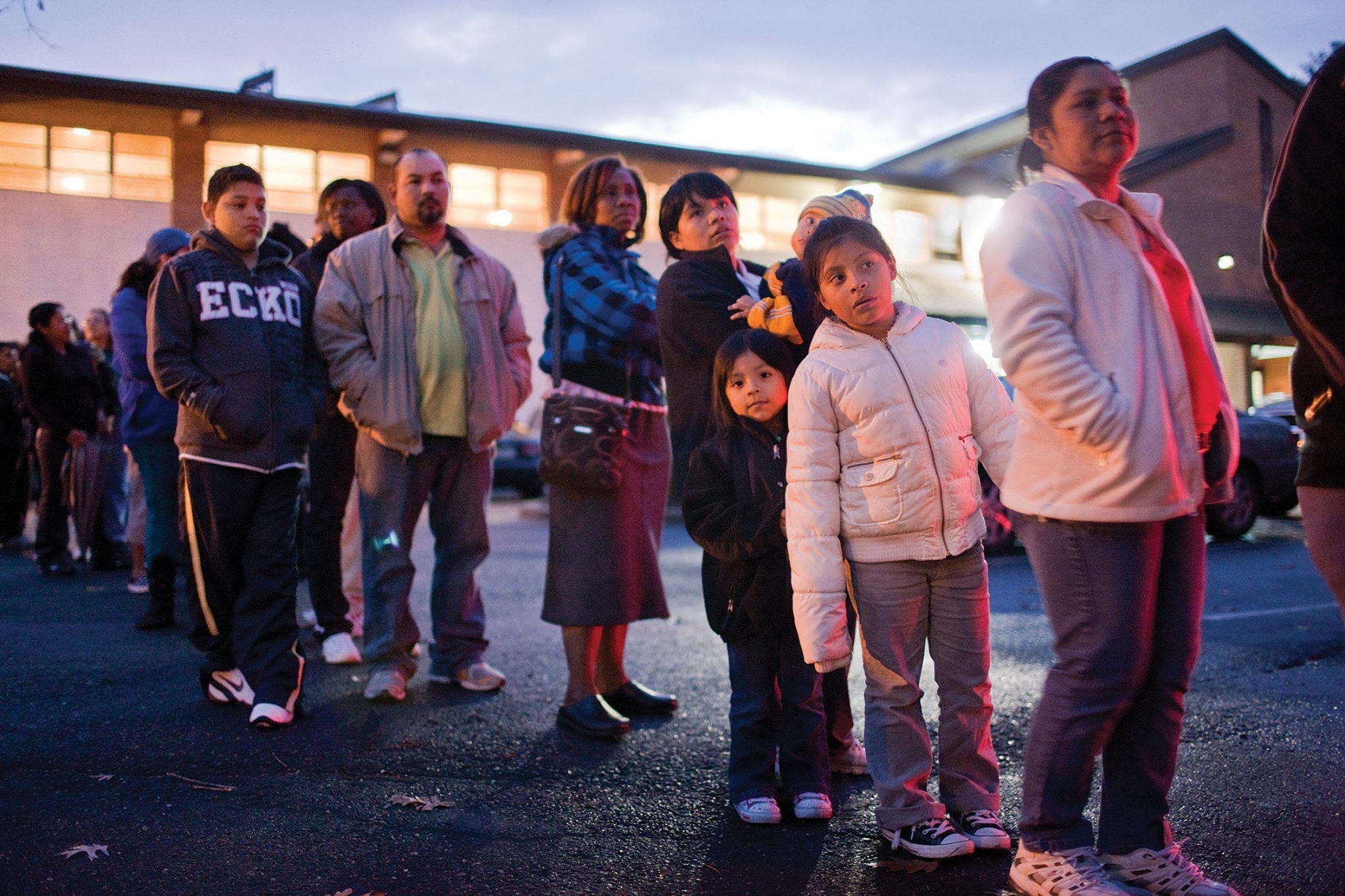
Nutrient is distributed to people in need at Cosmic Customs Service in Wheaton, MD, November 23, 2010. © Brooks Kraft/Corbis
Some groups face a number of stressors related to both climate and non-climate factors. For case, people living in impoverished urban or isolated rural areas, floodplains, coastlines, and other at-risk locations are more vulnerable not only to extreme weather and persistent climate modify only also to social and economic stressors. Many of these stressors can occur simultaneously or consecutively. Over time, this "accumulation" of multiple, circuitous stressors is expected to become more evidentane as climate impacts collaborate with stressors associated with existing mental and physical health weather condition and with other
9.two A Framework for Understanding Vulnerability
Some
Figure ix.1: Determinants of Vulnerability
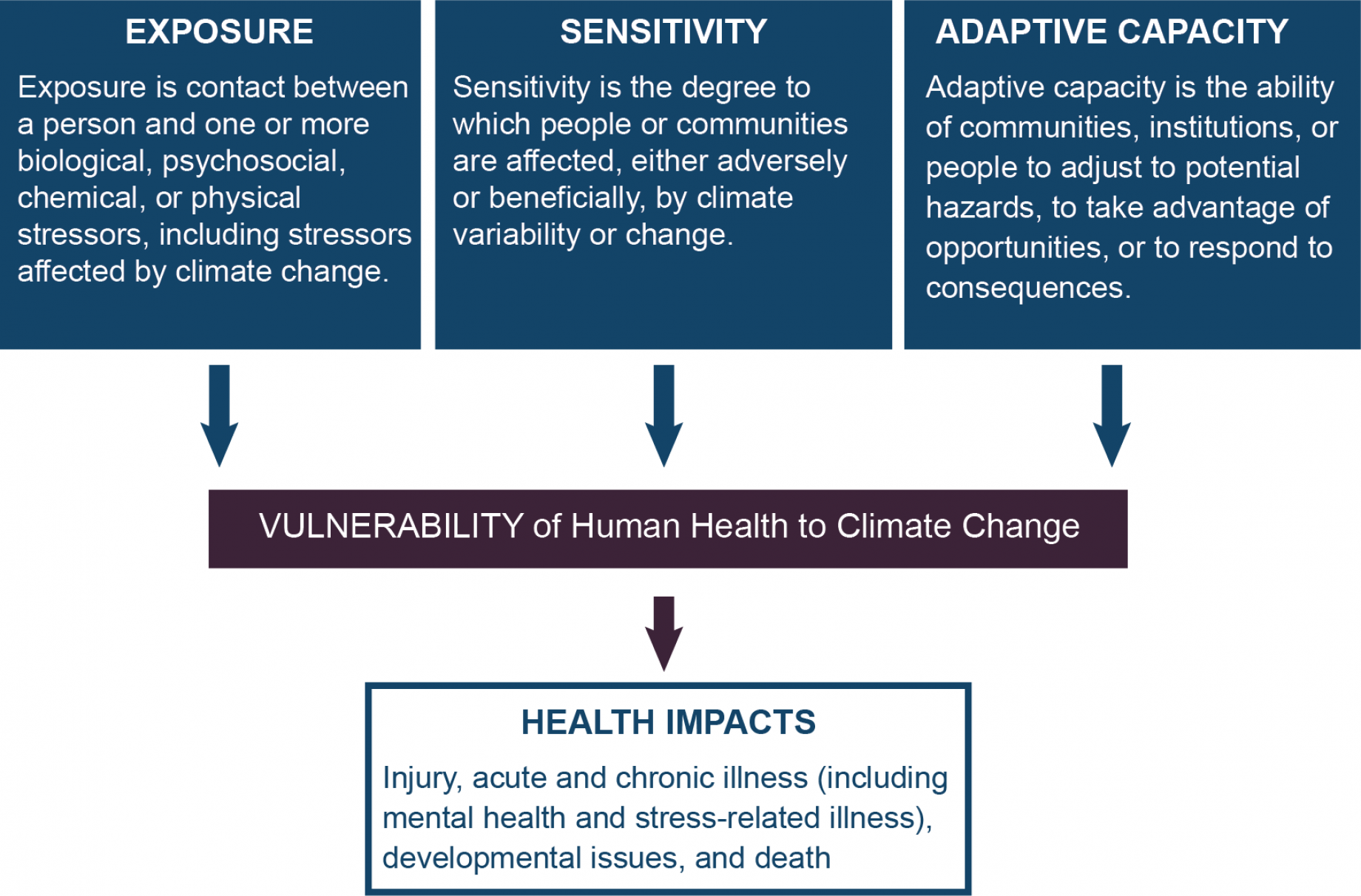
Defining the determinants of
to
impacts associated with
, including
,
, and
. (Effigy source: adjusted from Turner et al. 2003)23
- Vulnerability is the tendency or predisposition to be adversely affected by climate-related health effects, and encompasses iii elements: exposure, sensitivity or susceptibility to harm, and the capacity to adapt to or to cope with alter. Exposure is contact betwixt a person and ane or more than biological, chemic, or concrete stressors, including stressors affected past climate change. Contact may occur in a unmarried instance or repeatedly over time, and may occur in one location or over a wider geographic area. Sensitivity is the caste to which people or communities are affected, either adversely or beneficially, by climate variability and modify. Adaptive capacity is the power of communities, institutions, or people to adjust to potential hazards, to take advantage of opportunities, or to respond to consequences. A related term,
resilience , is the power to prepare and programme for, absorb, recover from, and more successfully arrange to adverse events. People and communities with strong adaptive capacity have greater resilience. - Risk is the potential for consequences to develop where something of value (such equally human health) is at stake and where the outcome is uncertain. Risk is oft represented as the probability of the occurrence of a chancy consequence multiplied past the expected severity of the impacts of that effect.
- Stressors are events or trends, whether related to climate change or other factors, that increase vulnerability to health effects.
Figure 9.2: Intersection of Social Determinants of Health and Vulnerability
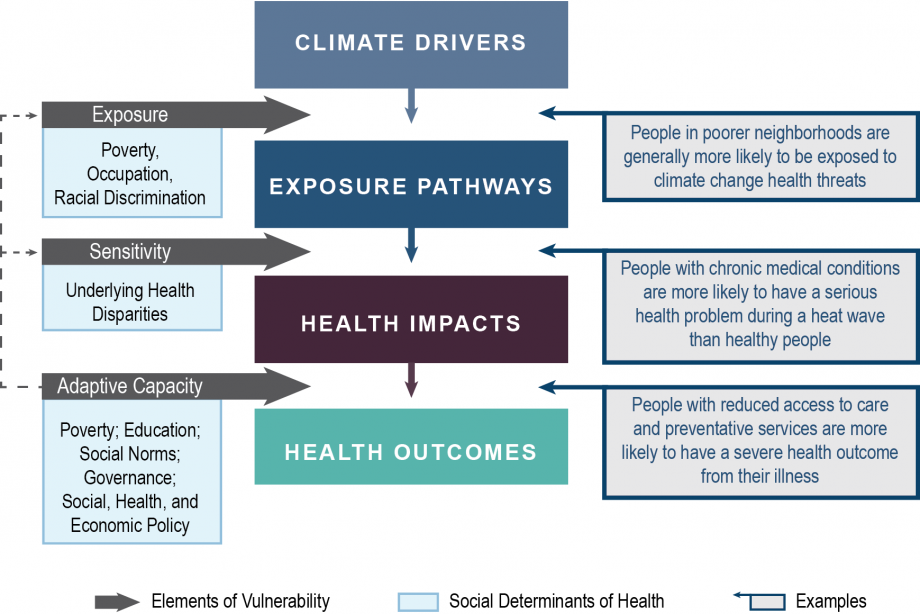
VIEW
interact with the three elements of
. The left side boxes provide examples of social determinants of health associated with each of the elements of vulnerability. Increased
, increased
and reduced
all affect vulnerability at unlike points in the causal concatenation from
drivers to wellness outcomes (middle boxes). Adaptive capacity can influence exposure and sensitivity and besides tin influence the
of individuals or populations experiencing wellness impacts past influencing access to care and preventive services. The correct side boxes provide illustrative examples of the implications of social determinants on increased exposure, increased sensitivity, and reduced adaptive capacity.
People or communities can take greater or lesser vulnerability to health risks depending on social, political, and economic factors that are collectively known as social determinants of health.4 Some groups are disproportionately disadvantaged by social determinants of health that limit resources and opportunities for health-promoting behaviors and conditions of daily life, such as living/working circumstances and access to healthcare services.4 In disadvantaged groups, social determinants of health interact with the three elements of vulnerability by contributing to increased exposure, increased sensitivity, and reduced adaptive capacity (Figure nine.2). Wellness risks and vulnerability may increase in locations or instances where combinations of social determinants of wellness that amplify health threats occur simultaneously or close in fourth dimension or space.5 , 6 For example, people with express economic resource living in areas with deteriorating
Factors that Contribute to Exposure
Exposures to climate-related variability and change are determined by a range of factors that individually and collectively shape the nature and extent of exposures. These factors include:
- Occupation: Certain occupations have a greater risk of exposure to climate impacts. People working outdoors or performing duties that betrayal them to extreme weather, such as emergency responders, utility repair crews, farm workers, construction workers, and other outdoor laborers, are at item risk.ten
- Time spent in risk-prone locations : Where a person lives, goes to schoolhouse, works, or spends leisure time will contribute to exposure. Locations with greater health threats include urban areas (due to, for instance, the "heat island" effect or air quality concerns), areas where airborne allergens and other air pollutants occur at levels that beal
respiratory illnesses, communities experiencing depleted water supplies or vulnerable energy and transportation infrastructure, coastal and other overflowing-prone areas, and locations affected pastdrought andwildfire .xi , 12 , 13 - Responses to extreme events : A person'south ability or, in some cases, their option whether to evacuate or shelter-in-place in response to an extreme event such as a hurricane, flood, or wildfire affects their exposure to wellness threats. Low-income populations are more often than not less probable to evacuate in response to a warning (run into Ch. 4: Extreme Events).vii
-
Socioeconomic status: Persons living in poverty are more than likely to be exposed to farthermost oestrus and air pollution.14 , 15 Poverty as well determines, at least in role, how people perceive the risks to which they are exposed, how they reply to evacuation orders and other emergency warnings, and their ability to evacuate or relocate to a less risk-prone location (meet Ch. viii: Mental Wellness).7 - Infrastructure condition and access : Older buildings may expose occupants to increased indoor air pollutants and mold, stagnant airflow, or loftier indoor temperatures (see Ch. 3: Air Quality Impacts). Persons preparing for or responding to flooding, wildfires, or other weather-related emergencies may be hampered by disruption to transportation, utilities, medical, or communication infrastructure. Lack of access to these resource, in either urban or rural settings, can increase a person'southward vulnerability (see Ch. 4: Extreme Events).16 , 17
- Compromised mobility,
cerebral function, and other mental or behavioral factors: These factors can lead to increased exposure to climate-related health impacts if people are not aware of health threats or are unable to have actions to avoid, limit, or respond to risks.18 People with access and functional needs may exist particularly at chance if these factors interfere with their power to admission or receive medical care earlier, during, or afterward a disaster or emergency.
Characterizing Biological Sensitivity
The sensitivity of human communities and individuals to climate change stressors is determined, at least in role, past biological traits. Among those traits are the overall health condition, historic period, and life phase. From fetus, to infant, to toddler, to kid, to adolescent, to adult, to the elderly, persons at every life phase accept varying sensitivity to climate change impacts.eleven , xix , 20 For instance, the relatively young immune systems of very young children make them more sensitive to aeroallergen exposure (such as airborne pollens). In addition to life stage, people experiencing long-term
Adaptive Chapters and Response to Climate Change
Many of the same factors that contribute to exposure or sensitivity likewise influence the ability of both individuals and communities to arrange to climate variability and alter. Socioeconomic status, the condition and accessibility of infrastructure, the accessibility of health care, sure
9.3 Populations of Business
Communities of Colour, Low Income, Immigrants, and Limited English language Proficiency Groups
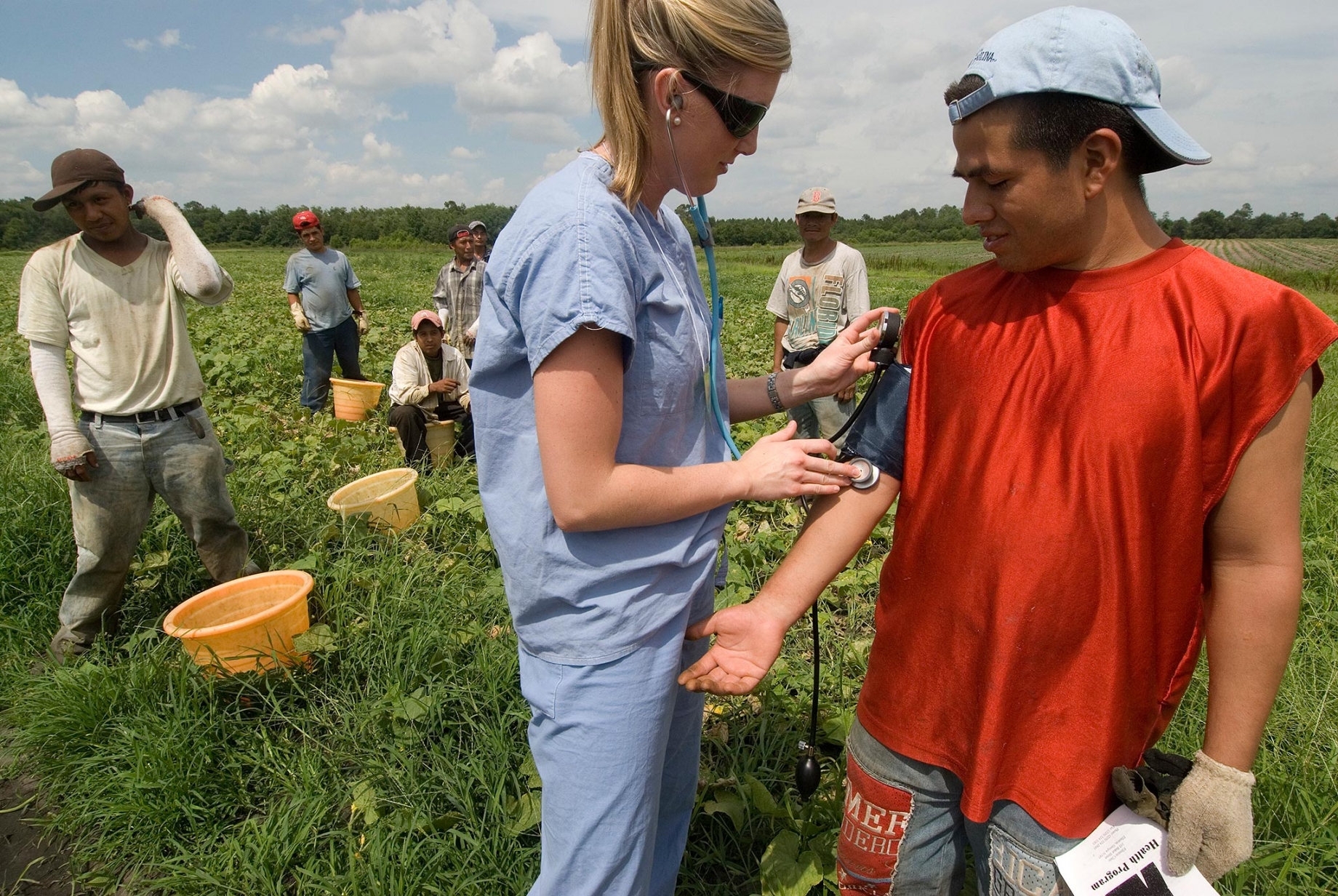
Nursing students and faculty at Emory University School of Nursing in Atlanta, Georgia volunteering to give checkups in migrant workers' camps, June 12, 2006. © Karen Kasmauski/ Corbis
In the The states, some communities of color, low-income groups, people with limited English proficiency (
The number of people of color in the United States who may exist afflicted by heightened vulnerability to climate-related health risks will continue to grow. Currently, Hispanics or Latinos, Blacks or African Americans, American Indians and Alaska Natives, Asian Americans, and Native Hawaiians and Pacific Islanders represent 37% of the full U.S. population.47 , 48 By 2042, they are projected to become the bulk.49 People of colour already constitute the majority in four states (California, Hawaii, New United mexican states, and Texas) and in many cities.48 Numbers of LEP and undocumented immigrant populations have as well increased. In 2011, LEP groups comprised approximately 9% (25.3 million individuals) of the U.Due south. population aged five and older.50 In 2010, approximately 11.2 meg people in the United States were undocumented.51
Vulnerability to Climate-Related Health Stressors
Fundamental climate impacts for some communities of color and low-income, LEP, and immigrant populations include oestrus waves, other extreme
Race is an important factor in vulnerability to climate-related stress, just it can be difficult to isolate the role of race from other related socioeconomic and geographic factors. Some racial minorities are also members of low-income groups, immigrants, and people with limited English proficiency, and it is their socioeconomic status (
Farthermost heat events. Some communities of color and some low-income, homeless, and immigrant populations are more than exposed to heat waves,55 , 56 every bit these groups frequently reside in urban areas affected past heat island effects.12 , fourteen , 24 , 57 In addition, these populations are probable to have limited
Other conditions extremes. As observed during and after Hurricane Katrina and Hurricane/Post-Tropical Cyclone Sandy, some communities of color and low-income people experienced increased illness or injury, death, or deportation due to poor-quality housing, lack of access to emergency communications, lack of admission to transportation, inadequate access to wellness intendance services and medications, limited post-disaster employment, and express or no health and property insurance.61 , 62 , 63 , 64 , 65 , 66 Following a 2006 flood in El Paso, Texas, Hispanic ethnicity was identified as a significant chance factor for agin wellness effects after controlling for other of import socioeconomic factors (for case, age and housing quality).67 Adaptation measures to address these take chances factors—such equally providing transportation during evacuations or targeted employment assistance during the recovery phase—may assist reduce or eliminate these wellness bear upon disparities, simply may not be readily available or affordable (run across besides Ch. 4: Extreme Events).61 , 62 , 63 , 65 , 66
Degraded air quality. Climatic change impacts on outdoor air quality volition increase exposure in urban areas where large proportions of minority, low-income, homeless, and immigrant populations reside. Fine
Waterborne and vector-borne diseases . Climate change is expected to increase exposure to waterborne pathogens that cause a variety of illnesses—almost commonly
Nutrient rubber and security . Climate change affects food safety and is projected to reduce the food and protein content of some crops, like wheat and rice. Some communities of color and low-income populations are more likely to be afflicted because they spend a relatively larger portion of their household income on food compared to more affluent households. These groups ofttimes suffer from poor-quality diets and limited access to total-service grocery stores that offer salubrious and affordable dietary choices (see also Ch. 7: Food Safety).36 , 37 , 85 , 86
Psychological stress. Some communities of color, low-income populations, immigrants, and LEP groups are more probable to experience stress-related mental health impacts, particularly during and subsequently extreme events. Other contributing factors include barriers in accessing and affording mental health care, such as counseling in native languages, and the availability and affordability of advisable medications (see likewise Ch. 8: Mental Health).87 , 88
Indigenous Peoples in the United States
A number of wellness risks are higher amongst Indigenous populations, such every bit poor mental health related to historical or personal
Food safety and security. Examples of how climate changes can bear upon the wellness of Ethnic peoples include changes in the abundance and nutrient content of certain foodstuffs, such as berries for Alaska Native communities;106 declining moose populations in Minnesota, which are significant to many Ojibwe peoples and an important source of dietary protein;107 , 108 rising temperatures and lack of bachelor water for farming among Navajo people;109 and declines in traditional rice harvests among the Ojibwe in the Upper Great Lakes region.110 Traditional foods and livelihoods are embedded in Indigenous cultural beliefs and subsistence practices.111 , 112 , 113 , 114 , 115 , 116 , 117 Climate impacts on traditional foods may consequence in poor nutrition and increased
Changes in aquatic habitats and species also bear on subsistence fishing.119 Rising temperatures affect water quality and availability. Lower oxygen levels in freshwater and seawater degrade h2o quality and promote the growth of disease-causing
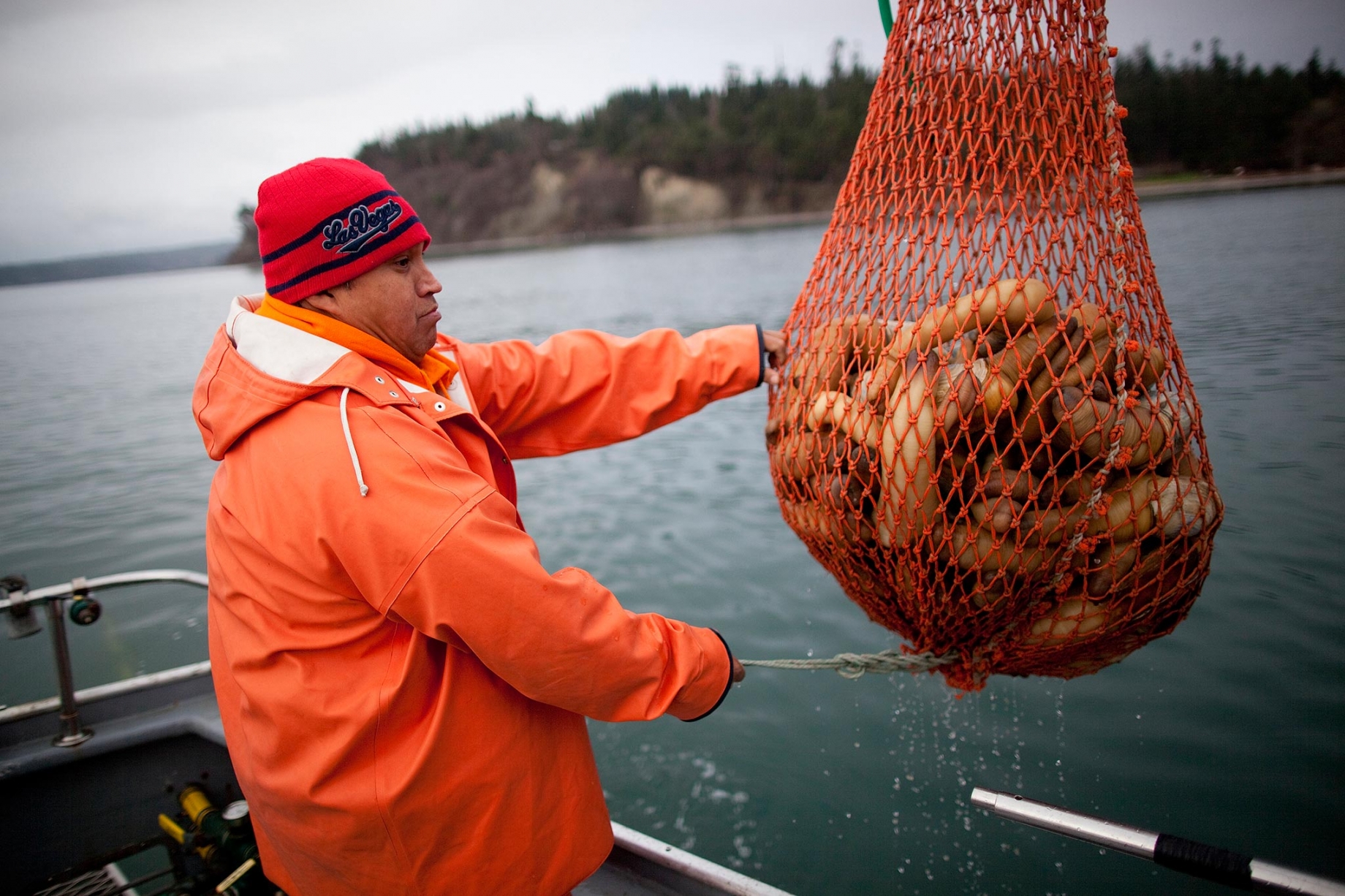
Ethnic deckhand pulls in net of geoducks near Suquamish, Washington, January 17, 2007. Traditional foods and livelihoods are embedded in Indigenous cultural beliefs and subsistence practices. © Mike Kane/Aurora Photos/ Corbis
Water security. Ethnic peoples may lack admission to water resource and to acceptable infrastructure for water treatment and supply. A significant number of Indigenous persons living on remote reservations lack indoor plumbing and rely on unregulated h2o supplies that are vulnerable to
Loss of cultural identity. Climate alter threatens sacred ceremonial and cultural practices through changing the availability of culturally relevant plant and animal species.95 , 130 Climate-related threats may chemical compound historical impacts associated with colonialism, as well as current effects on tribal culture equally more young people exit reservations for education and employment opportunities. Loss of tribal territory and disruption of cultural resources and traditional ways of life131 , 132 atomic number 82 to loss of cultural identity.133 , 134 , 135 The loss of medicinal plants due to climate change may leave formalism and traditional practitioners without the resources they need to practice traditional healing.114 , 136 The relocation of young people may reduce interactions across generations and undermine the sharing of traditional knowledge, tribal lore, and oral history.137 , 138
Degraded infrastructure and other impacts. Rising temperatures may damage transportation infrastructure on tribal lands. Irresolute ice or thawing permafrost, flooding, and drought-related dust storms may cake roads and cut off communities from access to evacuation routes and emergency medical care or social services.139 Poor air quality from blowing dust affects southwestern Indigenous communities, particularly in Arizona and New Mexico, and is likely to worsen with drought weather condition.140 Exposure to dumb air quality also affects Ethnic communities, especially those downwind from urban areas or industrial complexes.
Children and Significant Women
© JGI/Tom Grill/Blend Images/ Corbis
Children are vulnerable to adverse health effects associated with environmental exposures due to factors related to their immature physiology and metabolism, their unique exposure pathways, their biological sensitivities, and limits to their adaptive capacity. Children pass through a series of windows of vulnerability that begin in the womb and go on through their 2d decade of life. Children have a proportionately higher intake of air, nutrient, and water relative to their body weight compared to adults.19 They also share unique behaviors and interactions with their environment that may increase their exposure to ecology contaminants. For example, pocket-size children often play indoors on the floor or outdoors on the ground and identify hands and other objects in their mouths, increasing their exposure to grit and other contaminants, such equally pesticides, mold spores, and allergens.141 There is, however, large variation in vulnerability among children at different life stages due to differing physiology and behaviors (Effigy 9.3). Climate change—interacting with factors such equally economic status, diet, living situation, and stage of development—will increment children's exposure to wellness threats.xi , 20 , 142 , 143 , 144 The impact of poverty on children's health is a critical gene to consider in ascertaining how climate change will be manifest in children. Poor and low-income households have difficulty accessing wellness care and meeting the basic needs that are crucial for healthy child development. In addition, children in poverty are less probable to have access to air conditioning to mitigate the effects of extreme heat. Children living in poverty are besides less likely to be able to answer to or escape from extreme conditions events.11 , 20 , 142 , 143 , 144
Figure 9.3: Vulnerability to the Wellness Impacts of Climatic change at Unlike Life Stages
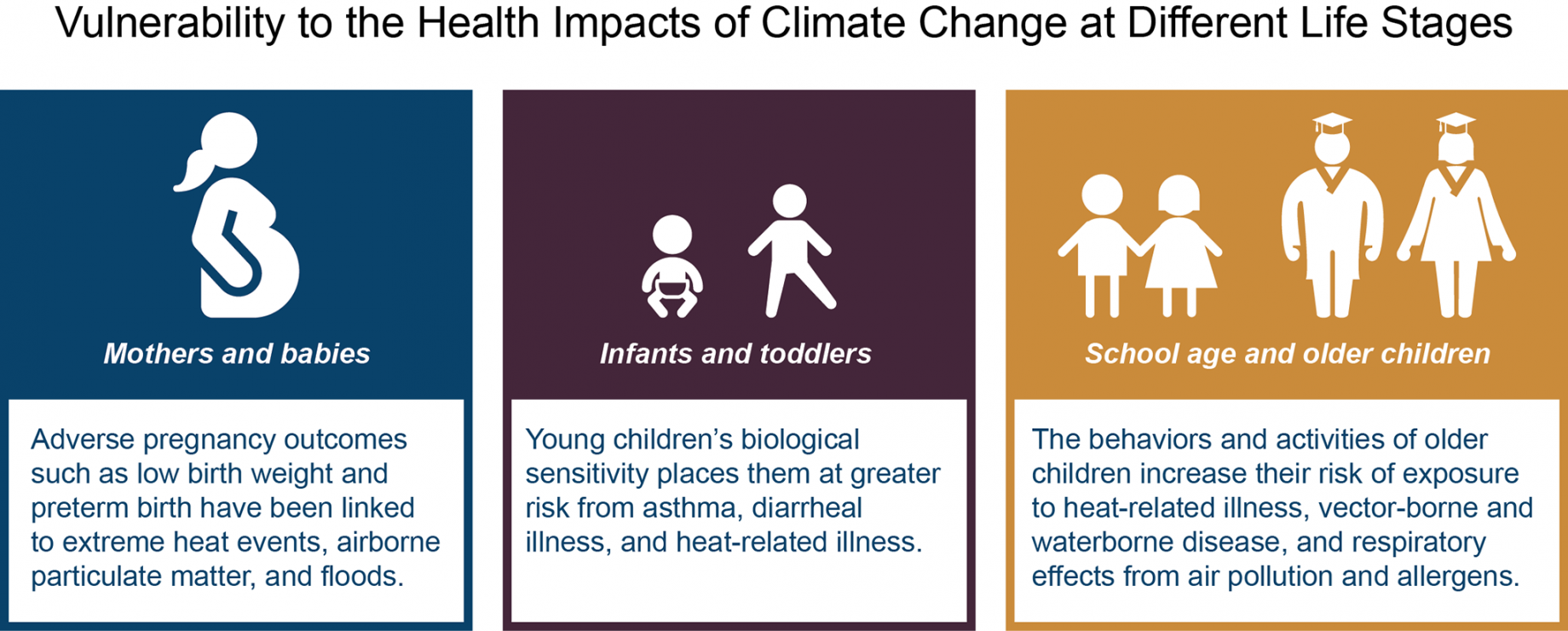
Children's
to
results from distinct exposures, biological sensitivities (developing bodies and immune systems), and limitations to
(dependency on caregivers) at dissimilar life stages.
Vulnerability to Climate-Related Health Stressors
Extreme oestrus events. An increment in the frequency and intensity of extreme estrus events (see Ch. 2: Temperature-Related Expiry and Illness) will touch on children who spend fourth dimension outdoors or in non-climate-controlled indoor settings. Student athletes and other children who are susceptible to heat-related illnesses when they exercise or play outdoors in hot and boiling weather condition may be poorly acclimated to concrete exertion in the heat. Some 9,000 loftier school athletes in the The states are treated for exertional heat illness (such every bit oestrus stroke and muscle cramps) each year, with the greatest risk among high schoolhouse football game players.145 , 146 This appears to be a worsening tendency. Between 1997 and 2006, emergency department visits for all estrus-related illness increased 133% and youth made upwardly almost 50% of those cases.147 From 2000 through 2013, the number of deaths due to heat stroke doubled amidst U.Southward. high school and college football players.148 Other information show effects of extreme heat on children of all ages, including increases in oestrus illness, fluid and electrolyte imbalances, and asthma. Children in homes or schools without air conditioning are as well more vulnerable during heat events.
Other conditions extremes. Climate modify is likely to affect the mental health and well-beingness of children, primarily past increasing exposure to traumatic weather events that result in injury, death, or displacement. In 2003, more than x% of U.S. children from infancy to 18 years of historic period reported experiencing a disaster (fire, tornado, inundation, hurricane, earthquake, etc.) during their lifetimes.149 Exposures to traumatic events can affect children's capacity to regulate emotions, undermine
Degraded air quality. Several factors brand children more sensitive to the furnishings of respiratory hazards, including lung evolution that continues through adolescence, the size of the child'southward airways, their level of physical activity, and body weight. Climatic change has the potential to affect time to come ground-level ozone concentrations, particulate thing concentrations, and levels of some aeroallergens. Ground-level ozone and particulate matter are associated with increases in asthma episodes and other adverse respiratory effects in children.151 , 152 , 153 Almost seven 1000000, or about nine%, of children in the United States, suffer from asthma.154 Asthma accounts for 10 million missed school days each yr.155 Particulate thing such as dust and
Changes in climate likewise contribute to longer, more severe pollen seasons that may be associated with increases in childhood asthma episodes and other allergic illnesses. Children may likewise be exposed to indoor air pollutants, including both particulate matter originating outdoors and indoor sources such as tobacco smoke and mold. In addition, loftier outdoor temperatures may increase the amount of fourth dimension children spend indoors. Homes, childcare centers, and schools—places where children spend large amounts of their time—are all settings where indoor air quality issues may bear on children'southward wellness. In communities where these buildings are comparatively supplied with screens, air conditioning, humidity controls, or pest control, children'southward health may be at take chances.157 (Run into Ch. iii: Air Quality Impacts).
Waterborne illnesses. Climate change induced increases in heavy rainfall, flooding, and coastal storm events are expected to increase children'southward risk of gastrointestinal disease from ingestion of or contact with contaminated water.61 , 142 , 143 , 158 An increased association between heavy rainfall and increased acute gastrointestinal disease has already been observed in children in the Us.159 Children may be especially vulnerable to recreational exposures to waterborne pathogens, in part because they swallow roughly twice as much water as adults while pond.160 In improver, children comprised 40% of swimming-related middle and ear infections from the waterborne bacteria Vibrio alginolyticus during the period 1997–2006161 and 66% (ages 1–xix) of those seeking treatment for disease associated with harmful
Vector-borne and other infectious diseases. The changes in the distribution of infectious diseases that are expected to result from climate alter may innovate new exposures to children (see Ch. 5: Vector-Borne Disease). Due to physiological vulnerability or changes in their body'due south immune system, fetuses, pregnant women, and children are at increased take chances of acquiring or having complications from certain infectious diseases such equally listeriosis,163
Nutrient safe and security. Climatic change, including rising levels of atmospheric CO2, significantly reduces food quality and threatens availability and access for children. Because of the importance of nutrition during certain stages of physical and mental growth and development, the direct consequence of the continued rise of CO2 on reducing food quality will exist an increasingly significant issue for children globally.169 , 170 , 171 For the U.s., disruptions in nutrient production or distribution due to extreme events such as drought tin increment costs and limit availability or admission,172 , 173 particularly for food-insecure households, which include nigh 16% of households with children in the Us.174 Children are likewise more than susceptible to severe infection or complications from Escherichia coli infections, such as hemolytic uremic syndrome.175 (See Ch. 7: Nutrient Safety).
Vulnerability Related to Life Stage
Prenatal and pregnancy outcomes for mothers and babies. Climate-related exposures may lead to adverse pregnancy and newborn health outcomes, including spontaneous ballgame, low birth weight (less than 5.5 pounds), preterm birth (nascence before 37 weeks of pregnancy), increased neonatal death, dehydration and associated
In addition, exposure of pregnant women to inhaled particulate affair is associated with negative nascency outcomes.184 , 185 , 186 , 187 , 188 , 189 Incidences of diarrheal diseases and dehydration may increment in extent and severity, which can be associated with adverse furnishings on pregnancy outcomes and the health of newborns.176 Floods are associated with an increased hazard of maternal exposure to ecology toxins and mold, reduced access to safety food and water, psychological stress, and disrupted health care. Other flood-related health outcomes for mothers and babies include maternal risk of anemia (a status associated with low red blood cell counts sometimes acquired by low fe intake), eclampsia (a condition that can cause seizures in pregnant women), and spontaneous abortion.190 , 191 , 192 , 193
Infants and toddlers . Infants and toddlers are particularly sensitive to air pollutants, extreme heat, and
Older Adults
Older adults (mostly defined every bit persons aged 65 and older) are vulnerable to the wellness impacts associated with climate change and weather extremes.11 , 197 , 198 , 199 The number of older adults in the Usa is projected to grow substantially in the coming decades. The nation's older adult population (ages 65 and older) will nigh double in number from 2015 through 2050, from approximately 48 million to 88 million.200 Of those 88 million older adults, a picayune under xix one thousand thousand will be 85 years of historic period and older.201 This projected population growth is largely due to the aging of the Babe Boomer generation (an estimated 76 one thousand thousand people born in the United States between 1946 and 1964), along with increases in lifespan and survivorship.18 Older adults in the U.s. are not compatible with regard to their climate-related vulnerabilities, just are a diverse group with distinct subpopulations that can be identified not but past age merely as well past race, educational attainment, socioeconomic status, social support networks, overall physical and mental health, and
Vulnerability to Climate-Related Health Stressors
The potential climate change related health impacts for older adults include ascension temperatures and heat waves; increased risk of more intense hurricanes (Categories IV and 5), floods, droughts, and wildfires; degraded air quality; exposure to infectious diseases; and other climate-related hazards.120
Farthermost heat events. Older adults exposed to extreme heat can experience multiple adverse furnishings.203 In the coming decades, farthermost heat events are projected to become more than frequent, more intense, and of longer duration, especially in higher latitudes and large metropolitan areas.24 , 204 Between 1979 and 2004, v,279 deaths were reported in the United states of america related to oestrus exposure, with those deaths reported most commonly among adults aged 65 and older.205 Disease incidence amidst older adults is expected to increase even in regions with relatively modest temperature changes (as demonstrated past case studies of a 2006 California
Other atmospheric condition extremes. Hurricanes and other severe weather condition events lead to physical, mental, or emotional trauma before, during, and later the event.208 The demand to evacuate an area can pose increased health and rubber risks for older adults, especially those who are poor or reside in nursing or assisted-living facilities.209 , 210 Moving patients to a sheltering facility is complicated, costly, and time-consuming and requires concurrent transfer of medical records, medications, and medical equipment (see likewise Ch. four: Extreme Events).210 , 211
Degraded air quality. Climate change can touch air quality past increasing basis-level ozone, fine particulate matter, aeroallergens, wildfire smoke, and dust (meet Ch. 3: Air Quality Impacts).212 , 213 Exposure to ground-level ozone varies with age and can affect lung role and increment emergency department visits and hospital admissions, even for healthy adults. Air pollution can also exacerbate asthma and COPD and can increase the risk of centre attack in older adults, peculiarly those who are also diabetic or obese.214
Vector-borne and waterborne diseases. The changes in the distribution of disease vectors like ticks and mosquitoes that are expected to result from climatic change may increase exposures to pathogens in older developed populations (see Ch. 5: Vector-Borne Diseases). Some vector-borne diseases, notably mosquito-borne West Nile and St. Louis encephalitis viruses,215 , 216 pose a greater health risk among sensitive older adults with already compromised immune systems. Climatic change is also expected to increase exposure risk to waterborne pathogens in sources of drinking water and recreational water. Older adults take a higher hazard of contracting gastrointestinal illnesses from contaminated drinking and recreational water and suffering astringent health outcomes and death (see Ch. half dozen: H2o-Related Illness).217 , 218 , 219 , 220
Interactions with Not-Climate Stressors
Vulnerable locations and status of the built environment. Older adults are particularly vulnerable to climate change related health effects depending on their geographic location and characteristics of their homes, such as the quality of construction and civilities. More half of the elderly U.S. developed population is concentrated in 170 counties (five% of all U.Due south. counties), and approximately 20% of older Americans live in a county in which a hurricane or tropical storm made landfall over the concluding decade.221 For example, Florida is a traditional retirement destination with an older developed population accounting for 16.8% of the full in 2010, about four percentage points higher than the national average.222 The increasing severity of tropical storms may pose detail risks for older adults in coastal zones.223 Other geographic risk factors mutual to older adults are the
In neighborhoods where safe and law-breaking are a concern, older residents may fear venturing out of their homes, thus increasing their social isolation and take a chance of health impacts during events such as heat waves.224 Degraded infrastructure, including the condition of housing and public transportation, is associated with higher numbers of oestrus-related deaths in older adults. In multi-story residential buildings in which residents rely on elevators, electricity loss makes it difficult, if not impossible, for elderly residents and those with disabilities to leave the edifice to obtain food, medicine, and other needed services.226 As well, older adults who own air-conditioning units may not utilize them during heat waves due to high operating costs.eleven , 227 , 228 , 229
Vulnerability related to physiological factors. Older adults are more sensitive to weather-related events due to age-related physiological factors. Elevated risks for cardiovascular deaths related to exposure to extreme heat take been observed in older adults.32 , 230 Generally poorer physical health weather condition, such as long-term chronic illnesses, are exacerbated by climate change.227 , 228 , 231 , 232 In improver, crumbling can impair the mechanisms that regulate body temperature, particularly for those taking medications that interfere with regulation of body temperature, including psychotropic medications used to care for a variety of
Vulnerability related to disabilities. Some functional limitations and mobility impairments increase older adults' sensitivity to climatic change, particularly extreme events. In 2010, 49.8% of older adults (over 65) were reported to have a disability, compared to 16.6% of people anile 21–64.234 Dementia occurs at a rate of five% of the U.Southward. population aged 71 to 79 years, with an increase to more than 37% at age ninety and older.235 Older adults with mobility or cognitive impairments are likely to experience greater vulnerability to health risks due to difficulty responding to, evacuating, and recovering from farthermost events.11 , 231
Occupational Groups
Climate change may increase the prevalence and severity of known occupational hazards and exposures, too every bit the emergence of new ones. Outdoor workers are oft amidst the start to be exposed to the effects of climate change. Climate change is expected to affect the health of outdoor workers through increases in ambient temperature, degraded air quality, extreme weather, vector-borne diseases, industrial exposures, and changes in the congenital environs.10 Workers affected by climate change include farmers, ranchers, and other agricultural workers; commercial fishermen; construction workers; paramedics, firefighters and other first responders; and transportation workers. Also, laborers exposed to hot indoor work environments (such equally steel mills, dry out cleaners, manufacturing facilities, warehouses, and other areas that lack air workout) are at hazard for extreme heat exposure.236 , 237 , 238
For some groups, such every bit migrant workers and solar day laborers, the health effects of climate alter tin can be cumulative, with occupational exposures exacerbated by exposures associated with poorly insulated housing and lack of air conditioning. Workers may as well be exposed to adverse occupational and climate-related weather that the general public may altogether avoid, such as direct exposure to wildfires.
Farthermost oestrus events. Higher temperatures or longer, more than frequent periods of heat may issue in more cases of rut-related illnesses (for example, rut stroke and oestrus exhaustion) and fatigue amid workers,237 , 238 , 239 , 240 , 241 especially among more physically demanding occupations. Heat stress and fatigue can also result in reduced vigilance, safety lapses, reduced work capacity, and increased risk of injury. Elevated temperatures can increase levels of air pollution, including footing-level ozone, resulting in increased worker exposure and subsequent risk of respiratory disease (see also Ch. ii: Temperature-Related Death and Illness).x , 236 , 237 , 242
Other atmospheric condition extremes. Some extreme conditions events and natural disasters, such as floods, storms, droughts, and wildfires, are condign more frequent and intense (run across also Ch. 4: Extreme Events).120 An increased need for complex emergency responses will expose rescue and recovery workers to physical and psychological hazards.205 , 243 The safety of workers and their ability to recognize and avoid workplace hazards may be impaired past damage to infrastructure and disrupted advice.
From 2000 to 2013, almost 300 U.South. wildfire firefighters were killed while on duty.244 With the frequency and severity of wildfires projected to increase, more than firefighters will exist exposed. Common workplace hazards faced on the fire line include being overrun by fire (as happened during the Yarnell Loma Fire in Arizona in 2013 that killed nineteen firefighters);245 heat-related illnesses and injuries; smoke inhalation; vehicle-related injuries (including aircraft); slips, trips, and falls; and exposure to particulate matter and other air pollutants in wildfire smoke. In addition, wildland burn down fighters are at chance of rhabdomyolysis (a breakdown of muscle tissue) that is associated with prolonged and intense physical exertion.246
Other workplace exposures to outdoor health hazards. Other climate-related wellness threats for outdoor workers include increased waterborne and foodborne pathogens, increased duration of aeroallergen exposure with longer pollen seasons,247 , 248 and expanded habitat ranges of disease-carrying vectors that may influence the chance of man exposure to diseases such equally Westward Nile virus or Lyme disease (see as well Ch. five: Vector-Borne Diseases).249
Persons with Disabilities
Inability refers to whatever status or damage of the body or mind that limits a person'southward ability to do certain activities or restricts a person's participation in normal life activities, such every bit school, piece of work, or recreation.250 The term "disability" covers a wide diverseness and range of functional limitations related to expressive and receptive communication (hearing and speech), vision, cognition, and mobility. These factors, if not anticipated and accommodated earlier, during, and after extreme events, can result in illness and decease.251 The extent of disability, or its severity, is reflected in the affected person'south need for environmental accessibility and accommodations for their damage(s).252
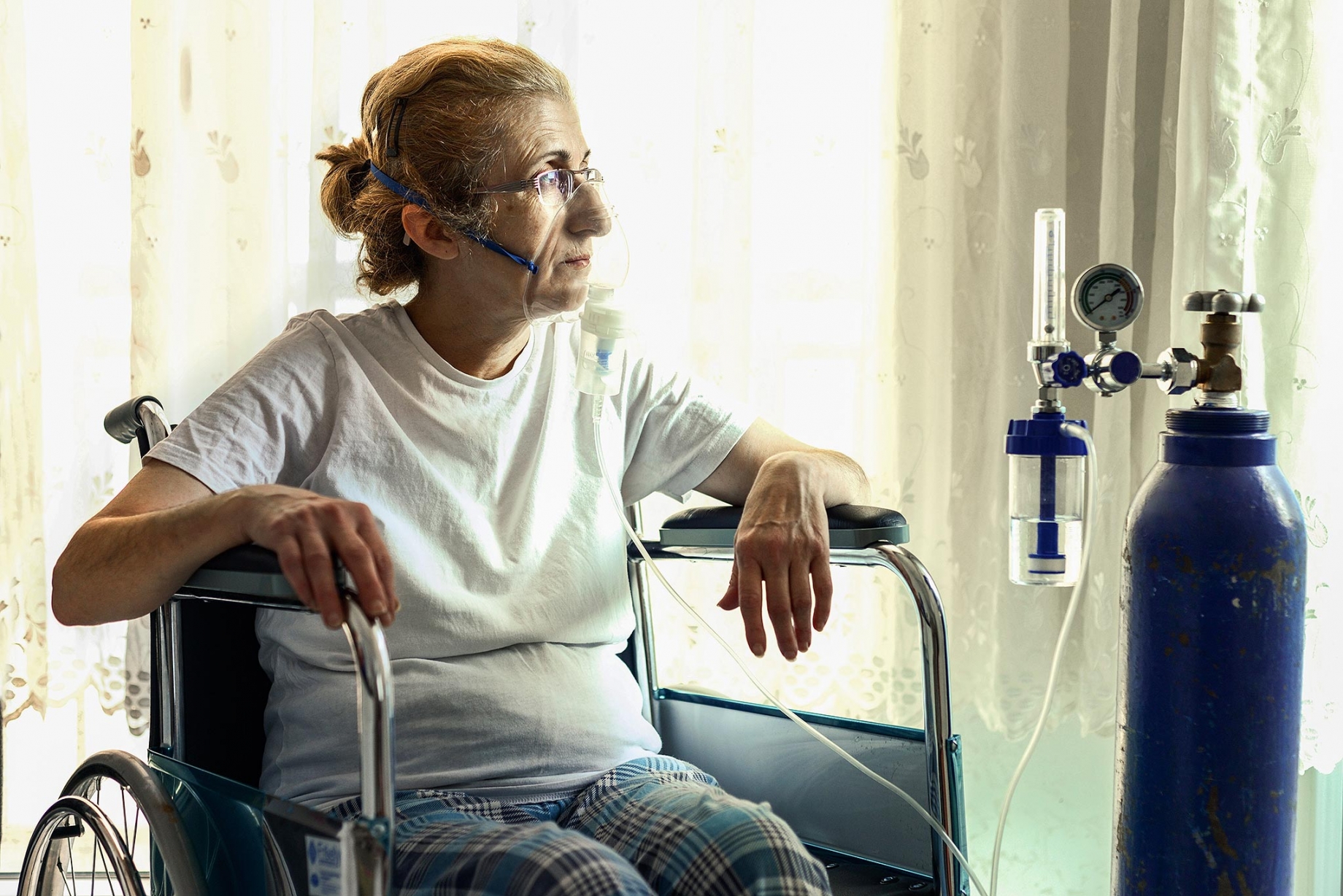
Persons with disabilities oftentimes rely on medical equipment (such equally portable oxygen) that requires an uninterrupted source of electricity. © iStockPhotos.com/ ozgurkeser
Disability can occur at any age and is not uniformly distributed across populations. Disability varies past gender, race, ethnicity, and geographic location.253 Approximately eighteen.7% of the U.S. population has a disability.234 In 2010, the pct of American adults with a disability was approximately xvi.6% for those aged 18–64 and 49.8% for persons 65 and older.234 In 2014, working-historic period adults with disabilities were substantially less likely to participate in the labor forcefulness (30.2%) than people without disabilities (76.2%), and feel more than than twice the charge per unit of unemployment (13.9% and 6.0%, respectively).254
People with disabilities experience disproportionately higher rates of social risk factors, such equally poverty and lower educational attainment, that contribute to poorer health outcomes during extreme events or climate-related emergencies. These factors compound the risks posed by functional impairments and disrupt planning and emergency response. Of the climate-related health risks experienced by people with disabilities, perhaps the most fundamental is their "invisibility" to determination-makers and planners.255 There has been relatively express empirical research documenting how people with disabilities fare during or after an extreme event.256
An increase in extreme weather can be expected to disproportionately affect populations with disabilities unless emergency planners make provisions to address their functional needs in preparing emergency response plans. In 2005, Hurricane Katrina had a significant and disproportionate bear upon on people with disabilities. Of the 986 deaths in Louisiana direct attributable to the storm, 103 occurred amidst individuals in nursing homes, presumably with a disability.257 Strong social capital and societal connectedness to other people, especially through faith-based organizations, family networks, and work connections, were considered to exist key enabling factors that helped people with disabilities to cope before, during, and afterwards the storm.258 In the aftermath of Hurricane Sandy, the Urban center of New York lost a lawsuit filed by the Brooklyn Middle for Independence of the Disabled (Brooklyn Center for Independence of the Disabled et al. v. Bloomberg et al., Case 1.eleven-cv-06690-JMF 2013), with the finding that the city had not adequately prepared to arrange the social and medical support needs of New York residents with disabilities.
Risk advice is not ever designed or delivered in an attainable format or media for individuals who are deaf or have hearing loss, who are blind or accept low vision, or those with diminished cognitive skills.259 , 260 Emergency advice and other important notifications (such every bit a alert to eddy contaminated water) only may not reach persons with disabilities. In addition, persons with disabilities often rely on medical equipment (such as portable oxygen) that requires an uninterrupted source of electricity. Portable oxygen supplies must exist evacuated with the patient.261
Persons with Chronic Medical Weather condition
Preexisting medical conditions present chance factors for increased disease and expiry associated with climate-related stressors, particularly exposure to extreme heat. In some cases, risks are mediated by the physiology of specific medical conditions that may impair responses to oestrus exposure. In other cases, the risks are related to unintended side effects of medical treatment that may impair body temperature, fluid, or electrolyte rest and thereby increase risks. Trends in the prevalence of chronic medical conditions are summarized in Table 1.1 in Chapter 1: Introduction. In full general, the prevalence of common chronic medical conditions, including cardiovascular disease, respiratory affliction, diabetes, asthma, and obesity, is anticipated to increase over the coming decades (see Tabular array 1.1 in Ch. one: Introduction), resulting in larger populations at hazard of medical complications from climate change related exposures.
Excess heat exposure has been shown to increase the take a chance of disease exacerbation or death for people with various medical conditions. Hospital admissions and emergency room visits increase during heat waves for people with diabetes, cardiovascular diseases, respiratory diseases, and psychiatric illnesses.40 , 58 , 195 , 262 , 263 , 264 , 265 , 266 Medical weather condition similar Alzheimer'south affliction or mental illnesses can impair judgment and behavioral responses in crunch situations, which can place people with those conditions at greater chance.228
Medications used to treat chronic medical conditions are associated with increased risk of hospitalization, emergency room admission, and in some cases, death from extreme heat. These medicines include drugs used to care for neurologic or psychiatric conditions, such every bit anti-psychotic drugs, anti-cholinergic agents, anxiolytics (anti-anxiety medicines), and some antidepressants (such as selective serotonin reuptake inhibitors or SSRIs; run across also Ch. 8: Mental Wellness).233 , 267 , 268 In addition, drugs used to treat cardiovascular diseases, such as diuretics and beta-blockers, may impair resilience to heat stress.267 , 269
People with chronic medical conditions also tin can be more vulnerable to interruption in treatment. For example, interrupting handling for patients with addiction to drugs or alcohol may lead to withdrawal syndromes.270 , 271 , 272 Treatment for chronic medical conditions represents a significant proportion of post-disaster medical demands.273 Communities that are both medically underserved and have a high prevalence of chronic medical atmospheric condition can be especially at gamble.274 While near studies have assessed adults, and especially the elderly, with chronic medical atmospheric condition, children with medical weather such every bit allergic and respiratory diseases are too at greater risk of symptom exacerbation and infirmary access during rut waves.144
9.4 Measures of Vulnerability and Mapping
Approaches to Assessing Vulnerability
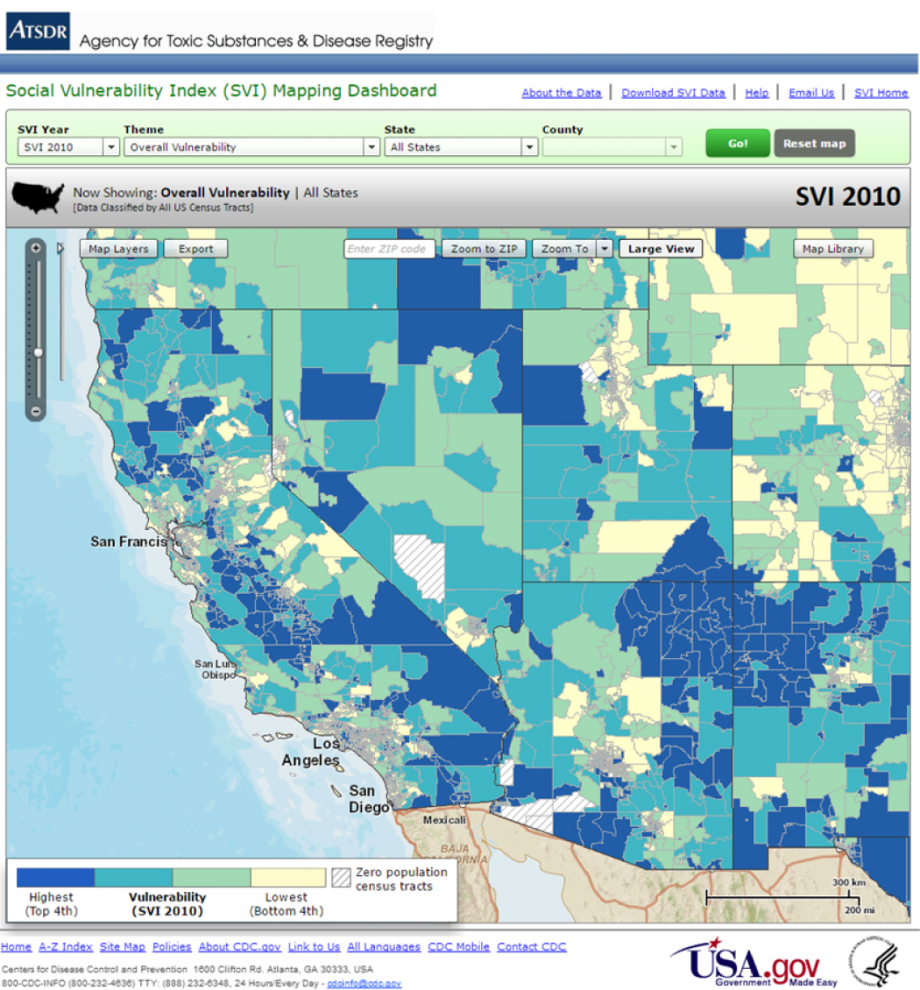
Effigy 9.4: Mapping Social Vulnerability
VIEW
Social
Index (SVI): This interactive web map shows the overall social vulnerability of the U.S. Southwest in 2010. The SVI provides a measure of four social vulnerability elements:
condition; household composition; race, ethnicity, and language; and housing/transportation. Each census tract receives a separate ranking for overall vulnerability at the census-tract level. Dark blue indicates the highest overall vulnerability (the top quartile) with the lowest quartile in pale yellow. (Figure source: ATSDR 2015)300
In that location are multiple approaches for developing vulnerability indices to identify populations of business organisation across big areas, such as state or multistate regions, or small areas, such as households within a county or several counties within a state.292 The Social Vulnerability Alphabetize (SVI) developed by the CDC aggregates U.S. census information to estimate the social vulnerability of census tracts (which are generally subsets of counties; Figure 9.4). The SVI provides a measure out of overall social vulnerability in addition to measures of elements that incorporate social vulnerability (including socioeconomic condition, household limerick, race or ethnicity, native language, and
Application of Vulnerability Indices
GIS—data direction systems used to capture, store, manage, retrieve, clarify, and brandish geographic data—can be used to quantify and visualize factors that contribute to climate-related wellness risks. By linking together demography data, information on the determinants of wellness (social, environmental, preexisting health conditions), measures of adaptive capacity (such as health care admission), and climate information, GIS mapping helps identify and position resources for at-
Vulnerability mapping can also heighten emergency and disaster risk management.297 , 298 Vulnerability mapping conducted at effectively spatial resolution (for example, census tracts or census blocks) allows public health departments to target vulnerable communities for emergency
Emergency response agencies tin can employ lessons learned by mapping prior events. For example, vulnerability mapping has been used to assess how social disparities affected the geography of recovery in New Orleans following Hurricane Katrina.8 Maps displaying the intersection of social vulnerability (low, medium, high scores) and flood inundation (none, low, medium, high levels) showed that while the concrete manifestation of the disaster had few race or grade distinctions, the social vulnerability of communities influenced both pre-bear on responses, such every bit evacuation, and post-effect recovery.8 As climate change increases the probability of more frequent or more astringent extreme
9.5 Research Needs
A number of research needs related to
More than comprehensive and robust projections of factors that contribute to population vulnerability would also enhance the value of predictive models. At present, there are only express projections of health status of the U.S. population, and the U.S. Census no longer provides population projections at the state level. Projecting population vulnerability into the futurity, as well as the evolution of consensus storylines that characterize alternative socioeconomic scenarios, will facilitate more robust and useful assessments of future wellness impacts of climatic change.
Time to come assessments tin benefit from enquiry activities that:
- improve agreement of the relative contributions and causal mechanisms of vulnerability factors (for example, genetic, physiological, social, behavioral) to risks of specific health impacts of climate change;
- investigate how available sources of information on population characteristics can be used to create valid indicators and assistance map vulnerability to the health impacts of climatic change;
- understand how vulnerability to both medical and
psychological wellness impacts of climate change impact cumulative stress and health status; and - evaluate the efficacy of measures designed to enhance
resilience and reduce the wellness impacts from climate change at the individual, institutional, and community levels.
References
Source: https://health2016.globalchange.gov/populations-concern
0 Response to "Florida Benchmarks Review Populations and Communities Answer Key"
Post a Comment